We know you can walk the walk, but can you talk the talk? Translating farm terminology is a skill that may be more important now than it ever has been.
Every culture has a unique lingo and agriculture is no exception. When so much time is spent within one industry or culture it can become easy to forget that the outside world may have no idea why a pioneer would be relevant in a conversation around planting corn or what an ‘eighty’ is. People want to know what’s going on in the world of farming and to find their own connection to the industry and the people in it. A sure way to make someone feel like they belong is letting them in on all the inside jokes and language. Translating farm lingo is a skill in and of itself, and it’s one that may be more important today more than ever. Not only do farmers have to talk the talk face-to-face, but also screen-to-screen.
Illinois Farm Bureau’s consumer engagement efforts are centered around the goal of building trust between non-ag consumers and modern farming practices. People outside of agriculture are curious about farming and are interested in learning more about what farmers do, the challenges farmers face, and where their food comes from – especially when it comes directly from farmers. Learning a whole new vocabulary along the way can feel daunting.
Building trust in farmers, farming, and modern farming practices is important in a world where it is easy to get lost in all the negative voices. Agriculturalists and farmers carry the responsibility of being an expert in their field and knowing how to communicate that with diverse audiences. In a time where the outside world is searching for their own connection to farming and agriculture, we must make sure we share everything in a way that people can understand and relate to. Knowing how to communicate about the big things is important but be sure not to overlook the connection that comes from sharing what the little things mean to you, too. Little things often make up our everyday lives and getting a glimpse into the everyday is a way that non-ag audiences can start to see farmers as trustworthy.
Follow along for this new series all about how to translate farm vocabulary for non-ag audiences: Talk the Talk. We’ll cover several topics throughout the year, starting today with Talk the Talk: The Spring Planting Version.
How to Talk the (Farming) Talk
How do you best explain things that you aren’t even sure have ever been explained to you – you just know what it is? For example, if you have a driver’s license and have spent time on a farm, most likely you have been the go-fer. You probably know exactly what a go-fer is, but those not familiar with the lingo may just give you confused looks and question why you keep gophers around for fun. Go-fers are the ones sent to go for something. On the farm, that is often to go to get a part needed to fix the planter while the others gather around to try to fix it on their own anyway. The selection process of who achieves go-fer status that day may vary farm-to-farm, but generally, a go-fer is anybody who is standing around looking unoccupied, is deemed the least knowledgeable about fixing the breakdown (therefore best utilized as the driver), or just happens to be near a vehicle and reachable by phone to be told to get going to grab tools from the shop or pick up something from the local dealership. Often go-fers are recently licensed teenagers, but anyone with driving ability will do. The best way to avoid becoming a go-fer? Look busy. Think go-fer is an easy job and that you can stop for other things along the way? Think again! Go-fers have smart phones today which means grandpa or dad can track exactly where you are and a “hurry up!” call is almost guaranteed.
What about row it? This is an easy one most people probably recognize but have no idea it has an official term. ‘Row it’ refers to when the crops have germinated enough that rows of neat green seedlings can be identified from cars zooming past fields. ‘Can you row it?’ is really asking how big the newly germinated crop is getting.
What’s That Do?
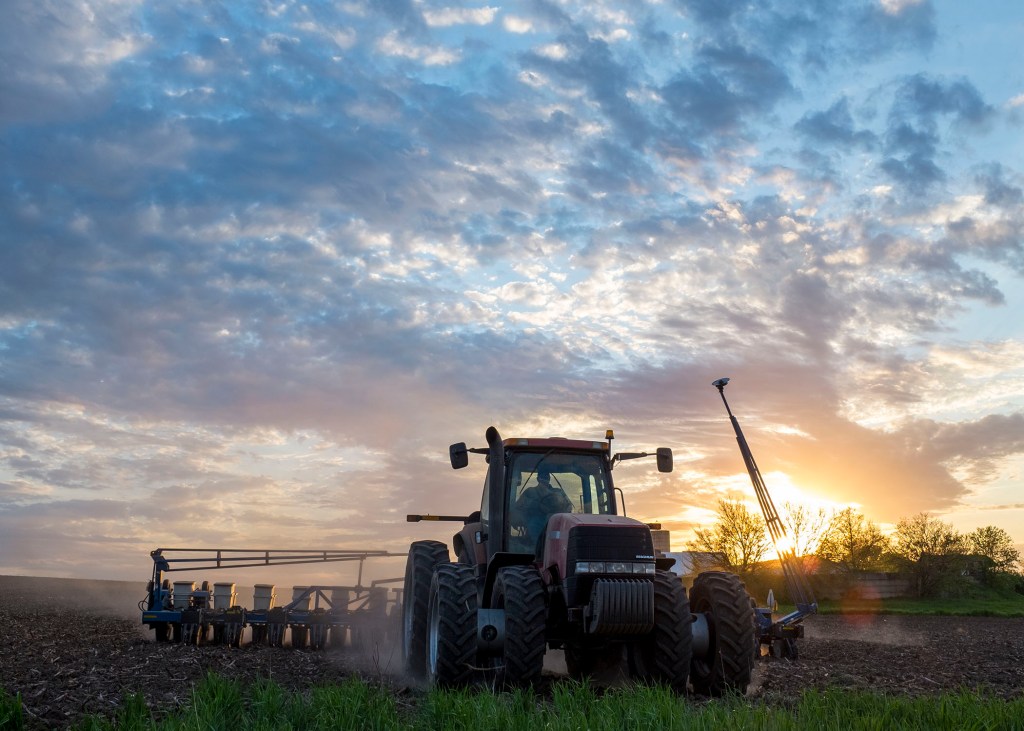
During spring planting in Illinois, farmers are busy working to get corn and soybean seeds in the ground. At the surface, it doesn’t seem like a hard task or something that has a strict timeline, but those who have been involved know differently. Instead of rolling your eyes at the question “so you sit in a tractor all day?,” realize that this person has no idea what planting entails and use it as an engagement opportunity. To be fair, most planting photos and videos that show up on social media are generally taken and posted from the tractor cab when things are running smoothly, so that might be all the individual asking has been exposed to. You can share about the logistics of planting – the work that goes in before planting commences to select and acquire seed, prepare fields, prepare equipment – and then what has to happen to keep the tractor moving, from daily maintenance to getting seed to the right place and refilling the planter as needed to stopping periodically to check that everything is working as it should (there aren’t many opportunities for do-overs, after all). Explain the timing pressure: Planting has a particular timeline to ensure crops are in the ground timed with rainy season (but hopefully not too rainy), are growing at the proper rate to maximize sunlight in the summer, and matured enough to harvest before frost comes in the fall.
When conversations come up about planting, it’s a fun time to nerd out about the cool technology used on farms today. GPS to guide the tractor to make straight, evenly spaced rows and automatic shutoffs to prevent overlap in end rows and along passes in oddly shaped fields. Seed metering systems that ensure seeds are placed exactly where they need to be. And so much more!
How You Say It
The moral of this story is that general audiences are curious about what’s going on in the spring, and you, the expert, get to engage them in a way that is understood on all sides. You may find there will be less pushback on certain topics when you relate what is going on to areas that people care about or find relatable. The examples shared above are not a comprehensive list but rather points to help put you into the minds of non-ag audiences. Whether you share in person or online, how you say it and connect is key in engaging in conversations about planting this spring.


Leave a Reply